

.png)





PCI Apogel® F pouring resin for pouring and injection of cracks
Product features:
- Transparent.
- Low-viscosity, penetrates even the finest cracks and voids.
- Reliable adhesion even to damp substrates.
- Temperature-resistant from - 30 °C to + 80 °C.
- Certified to EN 1504-5.
- With general building authority test certificate for LAU systems.
- Independently monitored.
Colours: transparent
Available pack sizes: 1-kg can
Areas of application:
- For internal and external use.
- For floor, wall and ceiling.
- For pouring cracks and shrinkage joints in screeds with needle injection of cracks or joints.
- For injection of cracks, shrinkage joints and voids in concrete and screed.
- Can also be used for damp crack flanks.
- For load-transferring connections between cracked parts of concrete and screed.
- For embedding PCI Apogel dowels
Surface preparation:
- Cracks in concrete
The cracks must be free from dirt and dust; the crack flanks may be damp. Before injection, set drill or adhesive injectors as filling nozzles. For damp cracks use drill injectors. - Set drill injectors
Drill at an angle to the structural element, relative to the crack path, with a stone drill bit to match the injector diameter. The drilled hole must cut the crack approximately in the centre of the structural element. Create holes alternately to the left and right of the crack. The spacing of the holes should not exceed half the element thickness or 60 cm. Vacuum drilling dust from the drilled holes. Insert drill injectors into the prepared holes and seal the cracks flush using the following PCI products:- PCI Polyfix 5 Min., for crack injection after 30 to 60 minutes or for damp surfaces;
- PCI Collastic, for crack injection after at least approx. 3 hours and for minor changes in crack width during setting and injection work (dynamic loads);
- PCI structural resin or PCI Epoxigrund 390 with PCI setting agent, for crack injection using the high-pressure method after approx. 24 hours.
- Set adhesive injectors
Clean component surfaces by abrading. Stick adhesive injectors to the crack using PCI Collastic or PCI structural resin. The injector spacing should correspond to the component thickness. Then seal the cracks flush, as described for drill injectors. - Cracks or shrinkage joints in screeds
Enlarge cracks or shrinkage joints and remove loose or crumbling material from the edges. Then open the cracks or shrinkage joints with a cutting disc to half to two thirds of the screed thickness. For preparation for needle injection (e.g. with PCI screed brackets) during pouring of cracks and shrinkage joints, cut cross-slots into the substrate at right angles to the crack path. Cut the cross-slots at a spacing of approx. 10 to 20 cm, with a cutting length of approx. 10 cm and a cutting depth of about 2/3 of the screed thickness using a cutting disc. Vacuum up cracks and slots thoroughly afterwards.
Attention with heated screeds!
Depending on the design of the heated screed and the position of the heating pipes, due to the high risk of damage to the heating pipes, repair in the form described may not be possible. - Void-forming composite screeds
Locate and mark voids in the area of the screed slabs by tapping. In the void area, drill holes vertically down to the intact substrate. Depending on the size of the void, drill at the edges of the void zone or using a suitable grid size. Then vacuum up any drilling dust and set drill injectors. Leave two or more drilled holes open for each identified void to prevent harmful liquid pressure from developing during injection.
Application of PCI Apogel:
When mixing and applying, wear suitable protective gloves and safety goggles or face protection! Avoid spraying.
Mixing
PCI Apogel is supplied in the correct mixing ratio.
Add the hardener component completely to the base component and mix thoroughly for approx. 2 minutes using a clean wooden spatula with at least a 2 cm width and sufficient length. After mixing, no streaks should be visible. Transfer the mixed PCI Apogel into a clean container to ensure homogeneous product characteristics. Ensure that the mixing container is emptied without dripping! Then mix through again!
Pouring cracks or shrinkage joints in screeds
Pour PCI Apogel F or PCI Apogel fast in narrow cracks (up to approx. 2 mm). The cracks must be filled to a depth of at least 5 mm or 15 times the crack width. For wider cracks, mix PCI Apogel with quartz sand and pour.
Needle injection:
When pouring cracks, shrinkage joints and the cross-slots with PCI Apogel, insert screed brackets into the cross-slots (PCI screed brackets are available in the carton in quantities of 500 pieces). Scrape off any excess or material that has exuded onto the surface. If, after the cracks or shrinkage joints have dried, a bonded floor covering is applied to the surface, e.g. screed or tiles, then the fresh PCI Apogel mixed with quartz sand (grain size 0,3 to 0,8 mm) must be broadcast fully to refusal.
Safety data sheet | |||||||||||||
|---|---|---|---|---|---|---|---|---|---|---|---|---|---|
| Safety data sheet.pdf | |||||||||||||
| 19.02.2016 | |||||||||||||
Transport data | |||||||||||||
| 3082 | |||||||||||||
| ENVIRONMENTALLY HAZARDOUS SUBSTANCE, LIQUID, N.O.S. | |||||||||||||
| (contains BISPHENOL-A-EPICHLOROHYDRIN RESIN M <=700) | |||||||||||||
| Yes | |||||||||||||
| III | |||||||||||||
| 9 | |||||||||||||
| 3 | |||||||||||||
| 1 | |||||||||||||
Additional transport data | |||||||||||||
| 5 L | |||||||||||||
| EQ1 | |||||||||||||
| 6 - combination packaging | |||||||||||||
Occupational health and storage | |||||||||||||
EUH205 Contains epoxy-containing compounds. May cause allergic reactions. H315 Causes skin irritation. H317 May cause an allergic skin reaction. H319 Causes serious eye irritation. H411 Toxic to aquatic life with long lasting effects. | |||||||||||||
P260 Do not breathe dust/fume/gas/mist/vapours/aerosol. P264 After use ? wash thoroughly. P272 Contaminated work clothing should not be allowed out of the workplace. P273 Avoid release to the environment. P280 Wear protective gloves/ protective clothing/ eye protection/ face protection/ ear protection/? P305+P351+P338 IF IN EYES: Rinse cautiously with water for several minutes. Remove contact lenses, if present and easy to do. Continue rinsing. P311+P303+P352 P332+P313 If skin irritation occurs: Get medical advice/attention. P362+P364 Take off contaminated clothing and wash before reuse. P391 Collect spillage. P501 Dispose of contents/container ? | |||||||||||||
10 Flammable liquids which do not belong to any of the above storage classes | |||||||||||||
| 2 - hazardous to water | |||||||||||||
Hazards | |||||||||||||
| Warning | |||||||||||||
 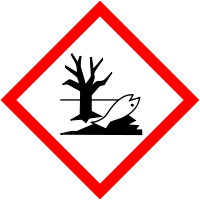 | |||||||||||||
Ingredients | |||||||||||||
| |||||||||||||
Safety data sheet | |||||||||||||
|---|---|---|---|---|---|---|---|---|---|---|---|---|---|
| Safety data sheet.pdf | |||||||||||||
| 19.02.2016 | |||||||||||||
Transport data | |||||||||||||
| 2735 | |||||||||||||
| AMINES, LIQUID, CORROSIVE, N.A.G. | |||||||||||||
| (contains ISOPHORONDIAMINE, TRIMETHYLHEXANE-1,6-DIAMINE) | |||||||||||||
| Yes | |||||||||||||
| II | |||||||||||||
| 8 | |||||||||||||
| 2 | |||||||||||||
| 3 | |||||||||||||
Additional transport data | |||||||||||||
| E | |||||||||||||
| 1 L | |||||||||||||
| EQ2 | |||||||||||||
| 6 - combination packaging | |||||||||||||
Occupational health and storage | |||||||||||||
H302 Harmful if swallowed. H312 Harmful in contact with skin. H314 Causes severe skin burns and severe eye damage. H317 May cause an allergic skin reaction. H411 Toxic to aquatic life with long lasting effects. | |||||||||||||
P260 Do not breathe dust/fume/gas/mist/vapours/aerosol. P264 After use ? wash thoroughly. P270 Do not eat, drink or smoke when using this product. P272 Contaminated work clothing should not be allowed out of the workplace. P273 Avoid release to the environment. P280 Wear protective gloves/ protective clothing/ eye protection/ face protection/ ear protection/? P301+P312 IF SWALLOWED: Call a POISON CENTRE/doctor/? if you feel unwell. P301+P330+P331 IF SWALLOWED: Rinse mouth. Do NOT induce vomiting. P303+P361+P353 IF ON SKIN (or hair): Remove all contaminated clothing immediately. Rinse skin with water [or shower]. P304+P340 IF INHALED: Remove person to fresh air and keep comfortable for breathing. P305+P351+P338 IF IN EYES: Rinse cautiously with water for several minutes. Remove contact lenses, if present and easy to do. Continue rinsing. P310 Immediately call a POISON CENTRE/doctor/? P330 Rinse mouth. P362+P364 Take off contaminated clothing and wash before reuse. P391 Collect spillage. P405 Store locked up. P501 Dispose of contents/container ? | |||||||||||||
8A Combustible corrosive hazardous substances | |||||||||||||
| 2 - hazardous to water | |||||||||||||
Hazards | |||||||||||||
| Danger | |||||||||||||
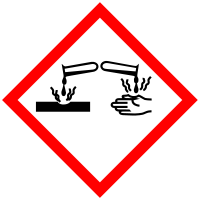 | |||||||||||||
Ingredients | |||||||||||||
| |||||||||||||
Piccardstraße 11
Baden-Württemberg
Augsburg, Deutschland, 86159
[email protected]
https://www.pci-augsburg.de
Piccardstraße 11
Baden-Württemberg
Augsburg, Deutschland, 86159
[email protected]
https://www.pci-augsburg.de
- Container: Can
- Item weight: 1,33 kg
- Content: 1,00 kg


